Distributed Databases and Replication

Part I

Data Science 310

Boston University

What Is a Distributed Database?

  • One in which data is:
    • partitioned / fragmented among multiple machines

     and/or

  • replicated – copies of the same data are made available on multiple machines
  • It is managed by a distributed DBMS (DDBMS) – processes on two or more machines that jointly provide access to a single logical database.
  • The machines in question may be:
    • at different locations (e.g., different branches of a bank)
    • at the same location (e.g., a cluster of machines)
  • In the remaining slides, we will use the term site to mean one of the machines involved in a DDBMS.
    • may or may not be at the same location

What Is a Distributed Database? (cont.)
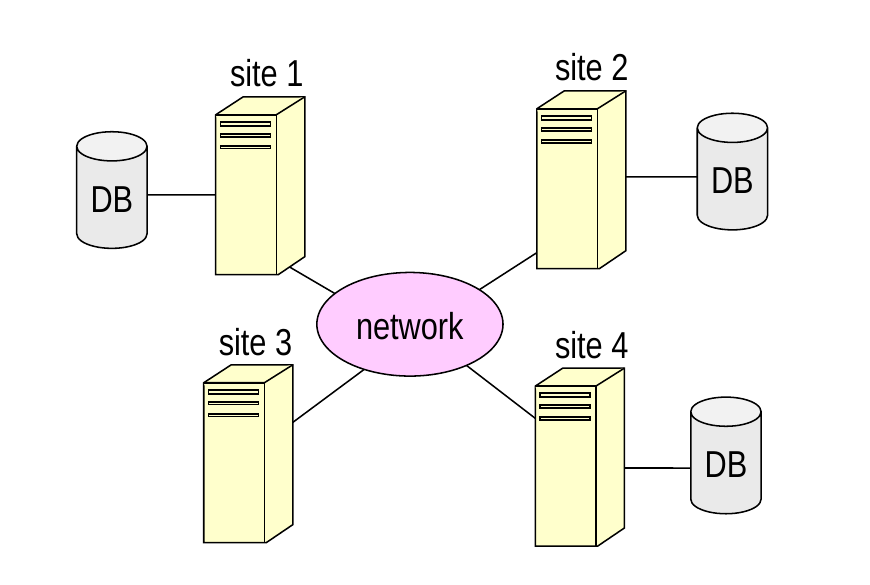
  • A given site may have a local copy of all, part, or none of a particular database.
  • makes requests of other sites as needed

Fragmentation / Sharding

  • Divides up a database’s records among several sites
    • the resulting “pieces” are known as fragments/shards
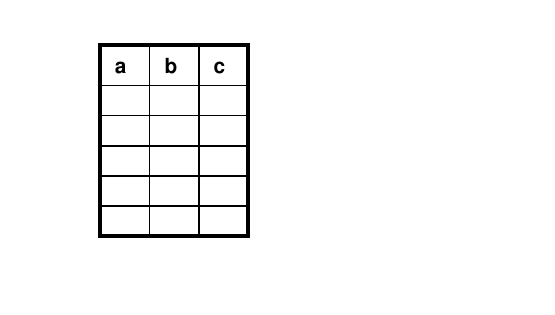
  • Let R be a collection of records of the same type (e.g., a relation).
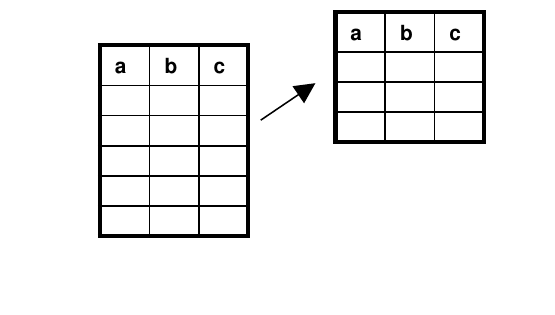
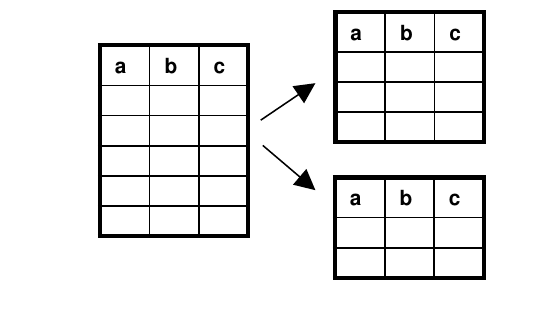
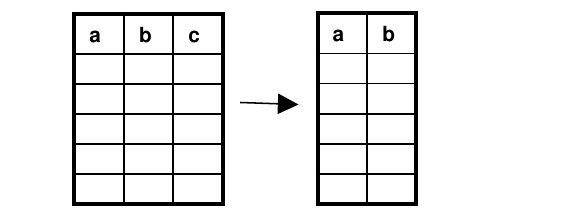
  • Horizontal fragmentation divides up the “rows” of R.
    • R(a, b, c)→ R1(a, b, c), R2(a, b, c), …
  • R = R1 ∪ R2 ∪ …
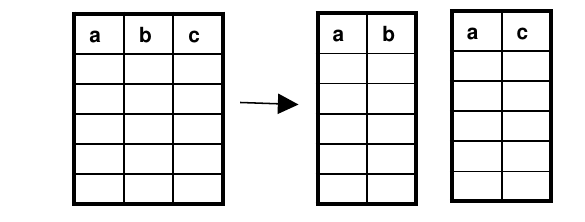
  • Vertical fragmentation divides up the “columns” of R.
    • R(a, b, c) → R1(a, b), R2(a, c), … (a is the primary key)
  • R = R1 ⋈ R2 ⋈ …

Fragmentation / Sharding (cont.)

  • Another version of vertical fragmentation: divide up the tables (or other collections of records).
  • e.g., site 1 gets tables A and B
       site 2 gets tables C and D

Example of Fragmentation

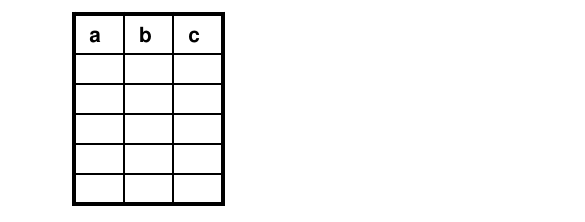
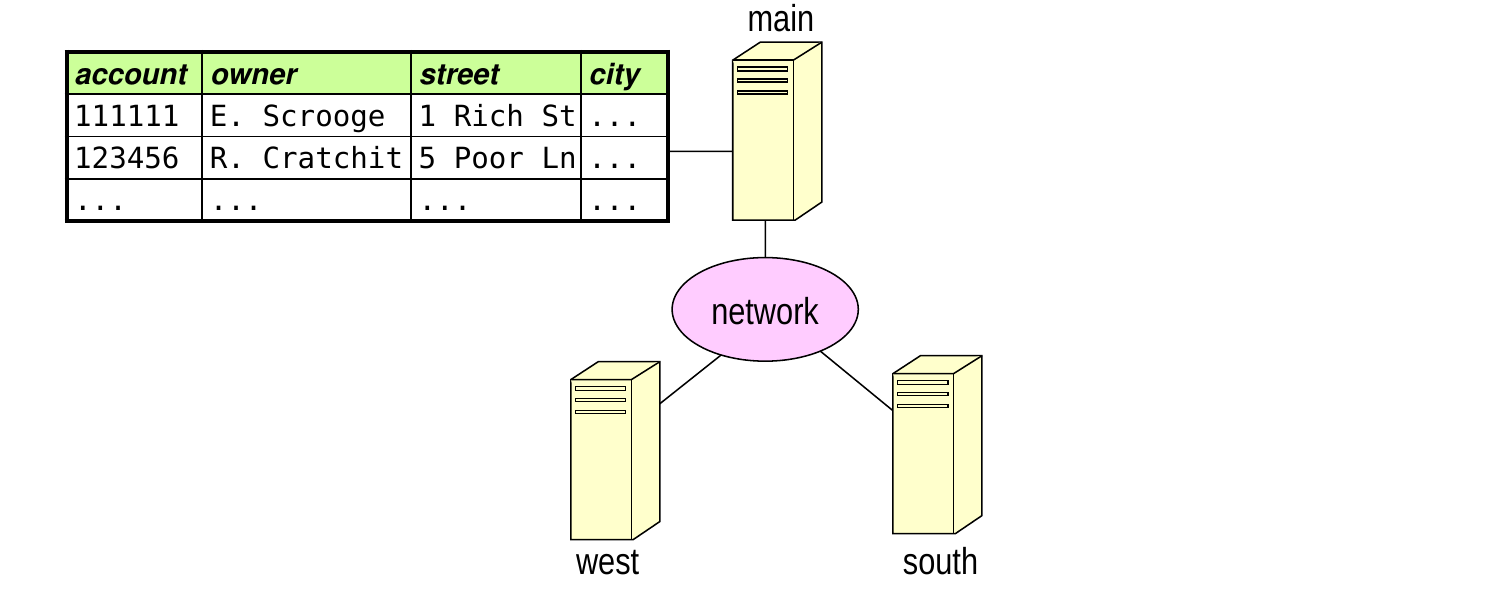
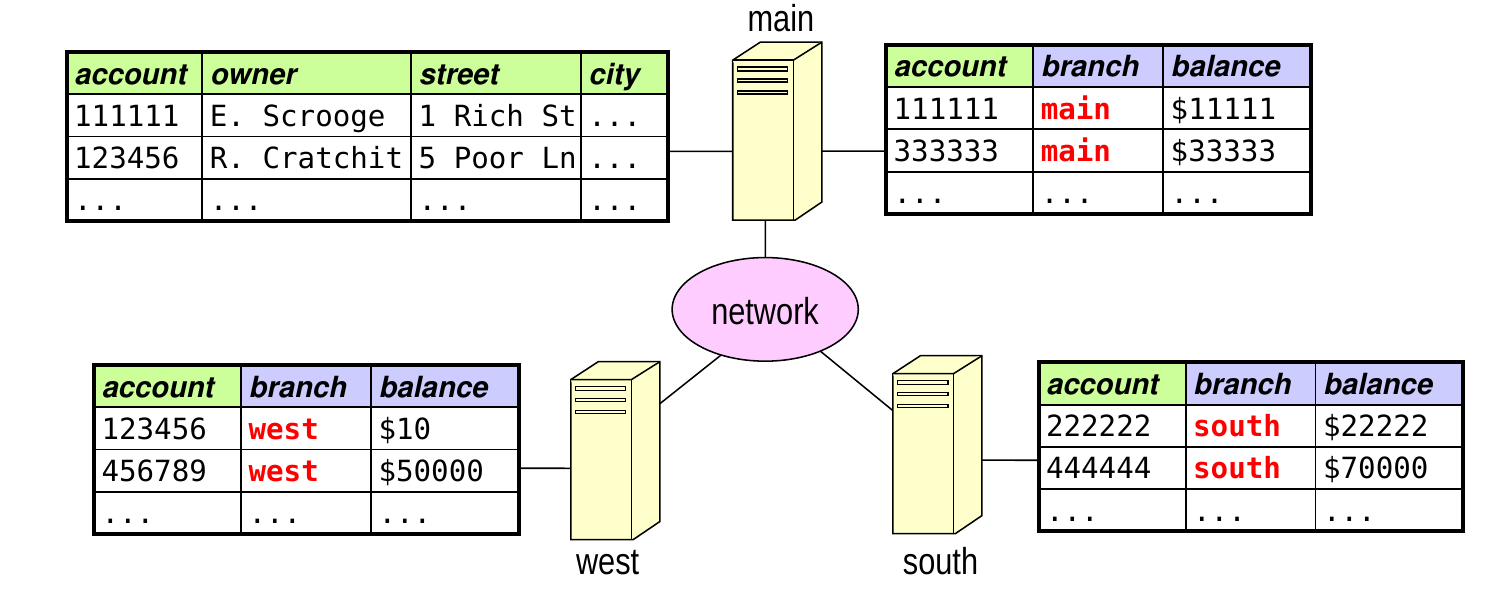
  • Here’s a relation from a centralized bank database:
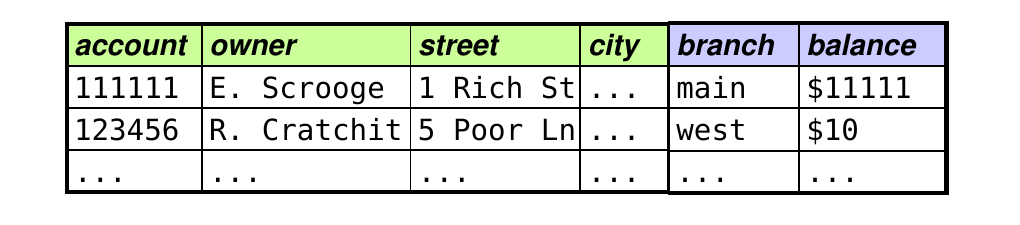
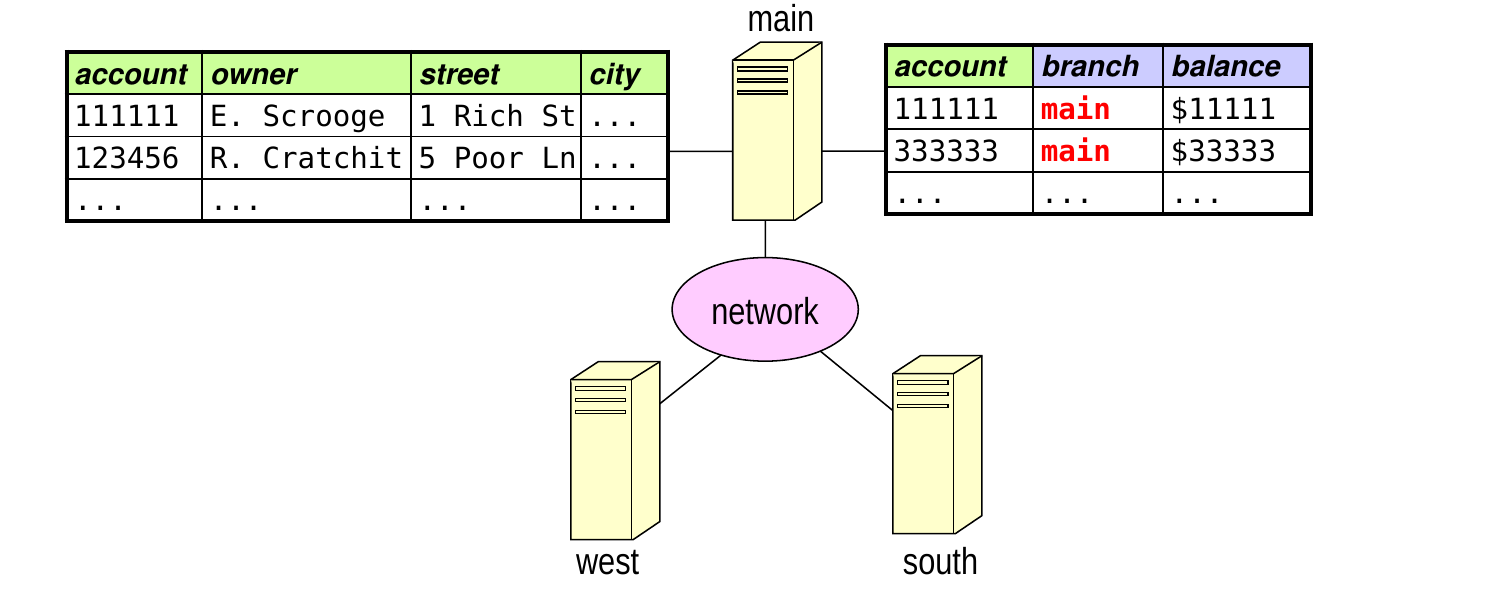
  • Here’s one way of fragmenting it:

Replication

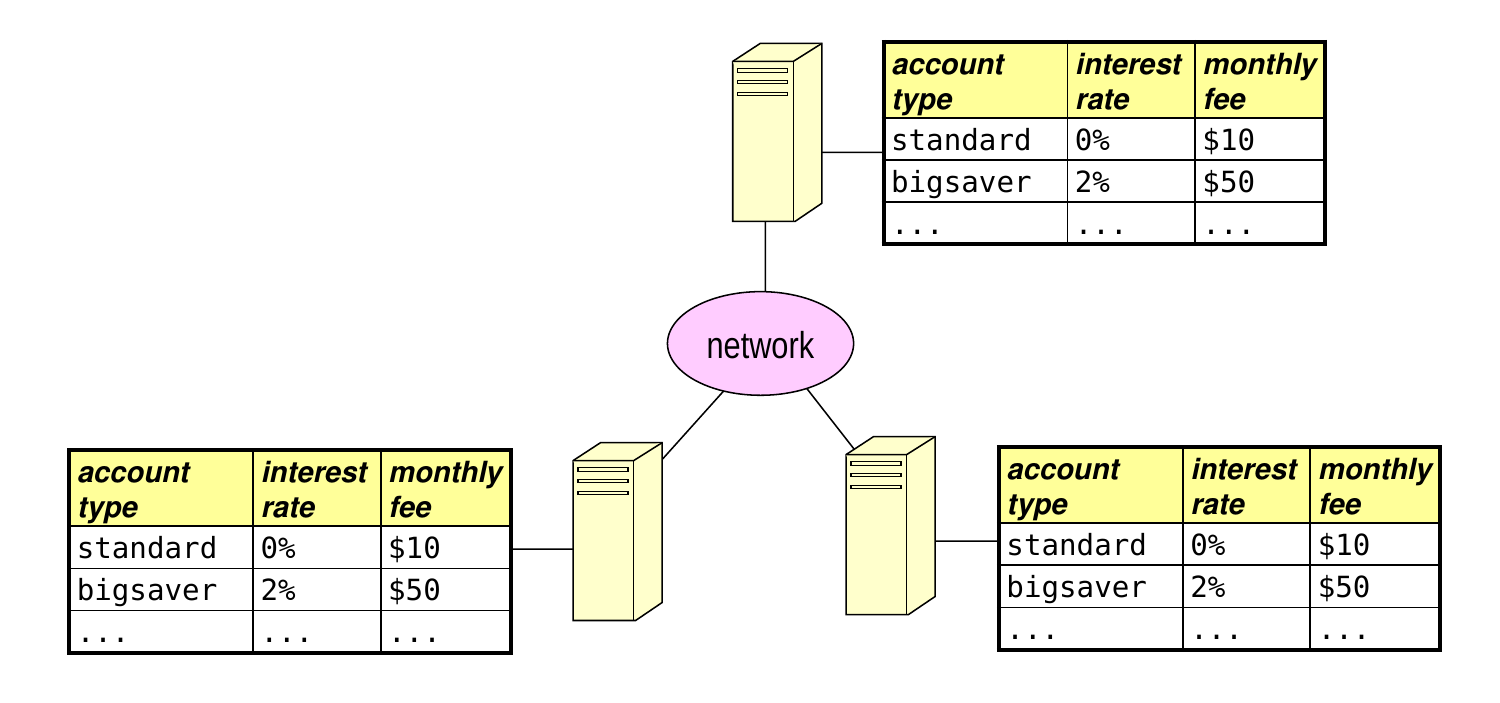
  • Replication involves putting copies of the same collection of records at different sites.
Reasons for Using a DDBMS

  • to improve performance
    • how does distribution do this?
  • to provide high availability
    • replication allows a database to remain available in the event of a failure at one site
  • to allow for modular growth
    • add sites as demand increases
    • adapt to changes in organizational structure
  • to integrate data from two or more existing systems
    • without needing to combine them
  • allows for the continued use of legacy systems
  • gives users a unified view of data maintained by different organizations

Challenges of Using a DDBMS (partial list)

  • determining the best way to distribute the data
    • when should we use vertical/horizontal fragmentation?
    • what should be replicated, and how many copies do we need?
  • determining the best way to execute a query
    • need to factor in communication costs
  • maintaining integrity constraints (primary key, foreign key, etc.)
  • ensuring that copies of replicated data remain consistent
  • managing distributed txns: ones that involve data at multiple sites
    • atomicity and isolation can be harder to guarantee

Failures in a DDBMS

  • In addition to the failures that can occur in a centralized system, there are additional types of failures for a DDBMS.
  • These include:
    • the loss or corruption of messages
      • TCP/IP handles this type of error
  • the failure of a site
  • the failure of a communication link
    • can often be dealt with by rerouting the messages
  • network partition: failures prevent communication between two subgroups of the sites

Distributed Transactions

  • A distributed transaction involves data stored at multiple sites.
  • One of the sites serves as the coordinator of the transaction.
    • one option: the site on which the txn originated
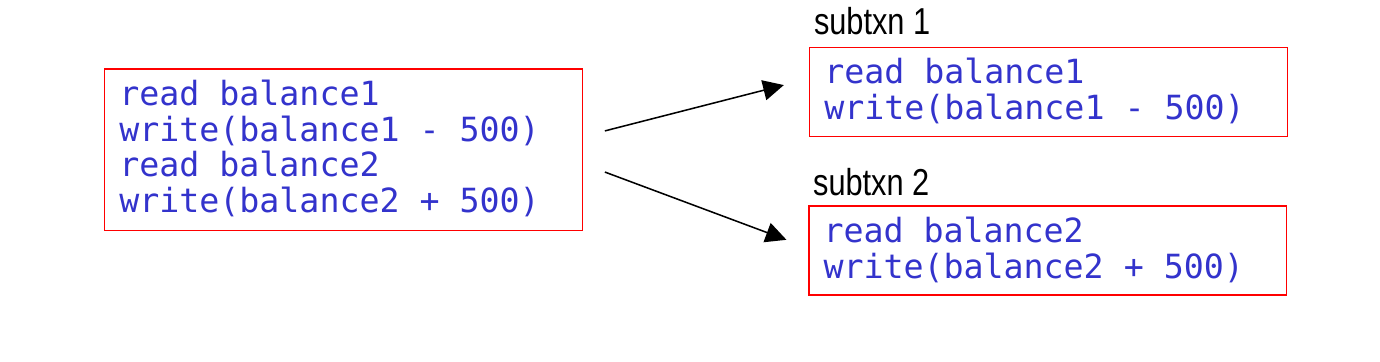
  • The coordinator divides a distributed transaction into subtransactions, each of which executes on one of the sites.
Types of Replication

  • In synchronous replication, transactions are guaranteed to see the most up-to-date value of an item.
  • In asynchronous replication, transactions are not guaranteed to see the most up-to-date value.

Synchronous Replication I: Read-Any, Write-All

  • Read-Any: when reading an item, access any of the replicas.
  • Write-All: when writing an item, must update all of the replicas.
  • Works well when reads are much more frequent than writes.
  • Drawback: writes are very expensive.

Synchronous Replication II: Voting

  • When writing, update some fraction of the replicas.
    • each value has a version number that is increased when the value is updated
  • When reading, read enough copies to ensure you get at least one copy of the most recent value (see next slide).
  • the copies “vote” on the value of the item
  • the copy with the highest version number is the most recent
  • Drawback: reads are now more expensive

Synchronous Replication II: Voting (cont.)

  • How many copies must be read?
    • let: n = the number of copies
          w = the number of copies that are written
          r = the number of copies that are read
  • need: r > n – w (i.e., at least n – w + 1)
  • example: n = 6 copies
          update w = 3 copies
          must read at least 4 copies
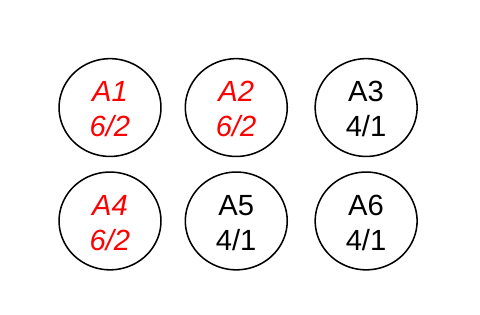
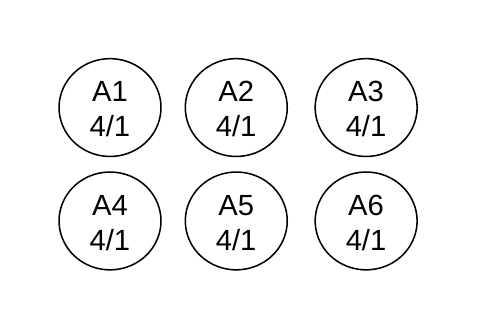
  • Example: 6 copies of data item A, each with value = 4, version = 1.
  • txn 2 updates A1, A2, and A4 to be 6 (and their version number becomes 2)
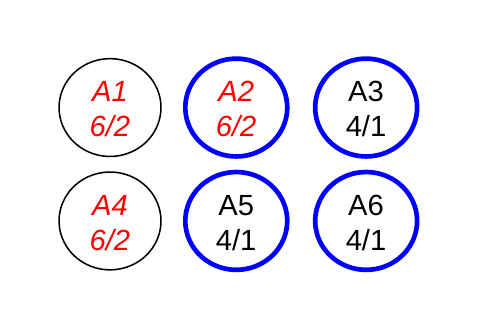
  • txn 1 reads A2, A3, A5, and A6
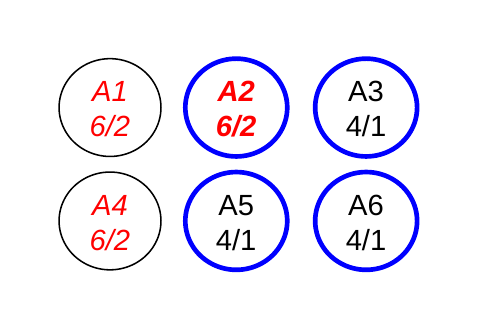
  • A2 has the highest version number (2), so its value (6) is the most recent.
Which of these allow us to ensure that clients always get the most up-to-date value?

  • 10 replicas – i.e., 10 copies of each item
  • voting-based approach with the following requirements:
number of copies
accessed when reading
number of copies
accessed when writing
A. 7 3
B. 5 5
C. 9 2
D. 4 8

E. both A and B      F. both C and D

Distributed Concurrency Control

  • To ensure the isolation of distributed transactions, need some form of distributed concurrency control.
  • Extend the concurrency control schemes that we studied earlier.
    • we’ll focus on extending strict 2PL
  • If we just used strict 2PL at each site, we would ensure that the schedule of subtxns at each site is serializable.
    • why isn’t this sufficient?

   because the equivalent serial orderings could be different at different sites

Distributed Concurrency Control (cont.)

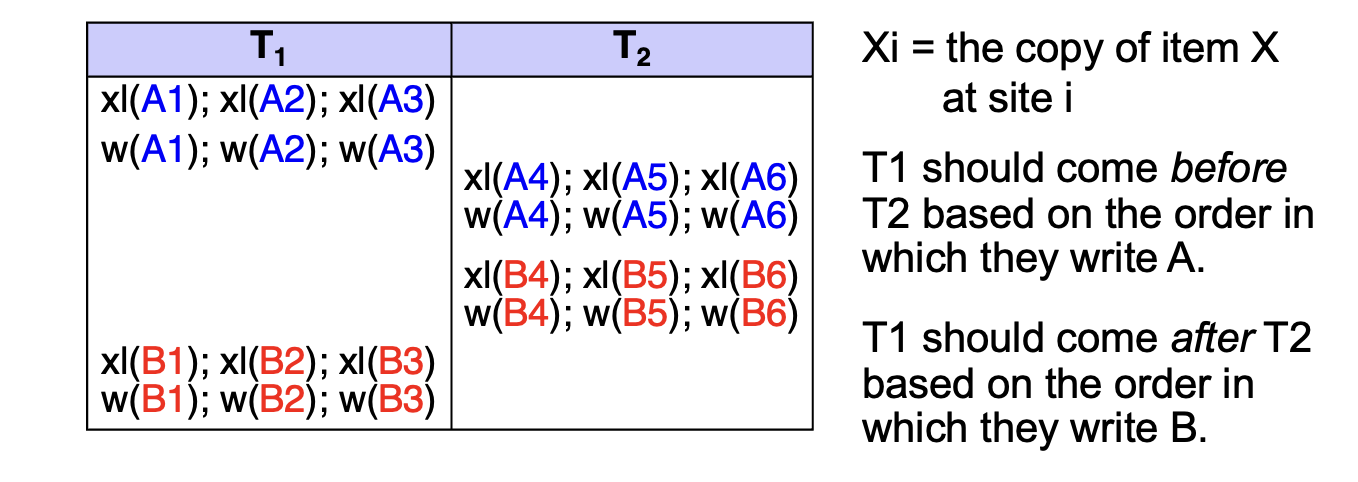
  • Example of why special steps are needed:
    • voting-based synchronous replication with 6 replicas
  • let’s say that we configure the voting as before:
    • each write updates 3 copies
    • each read accesses 4 copies
  • can end up with schedules that are not conflict serializable
  • example: